

Essential oils and a smaller ecological footprint
Evening lecture by Jules Beekwilder organized by the Haarlemse Chemische Kring.
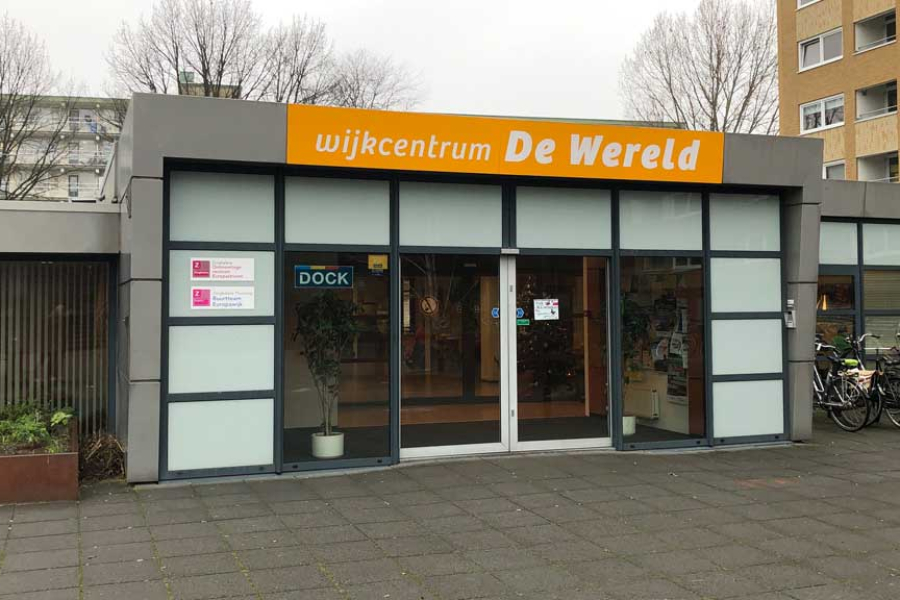
Evening lecture by Jules Beekwilder organized by the Haarlemse Chemische Kring.
The lecture will be preceded by the annual meeting.
Essentiële oliën en een kleinere ecologische voetafdruk
Summary
Essential oils play an important role in today's economy, with applications in flavouring, fragrance, food, therapeutic treatment and cosmetics. These oils are extracted from plant waste streams, such as orange peels from the juice industry or wood waste from the paper industry. Materials grown specifically for essential oils are also used, such as field mint, lavender and patchouli. In some cases, essential oils are obtained from plant species that have a complicated life cycle and are therefore difficult to cultivate. Examples include the sandalwood tree from India and the candeia tree from Brazil. Both species produce high-quality oil for cosmetics and perfumes, but require more than 10 years of growth before they can be harvested and are threatened with extinction due to illegal logging. In such cases, the main ingredients of the essential oil can also be produced through fermentation. These are often so-called sesquiterpenes. These materials are produced in a sustainable manner, without the use of pesticides, do not threaten endangered species, and have a much smaller ecological footprint. With the ongoing development of fermentation technology, it is also becoming possible to produce materials that have a lower price per kilo and a larger market volume through biotechnology.
Curriculum Vitae Jules Beekwilder
I studied chemical biology at Utrecht University from 1983 onwards, then obtained my PhD in biochemistry at Leiden University in 1996. After postdoctoral positions in Leiden and Wageningen, I was appointed as a researcher at Wageningen Research in 2000. Since 2019, I have been Chief Technology Officer at Isobionics, part of BASF. I am co-author of 135 scientific publications and 15 patent families. During my academic career in Wageningen, I mainly focused on the question of how plants produce useful ingredients. This research focused on the analysis of metabolites, unravelling metabolic pathways, and engineering metabolic pathways in plants and micro-organisms.
Guests are very welcome.
Please let us know in advance if you plan to attend.
Send an email to s.groenendijk@planet.nl.